
Supplier perspective from XiPlush. When comparing custom plush proposals, check whether the same accessory configuration is being quoted. ‘Bunny with bow’ may describe the general appearance while leaving the bow reference, supply status and per-unit quantity unanswered.
Separate appearance from quotation scope
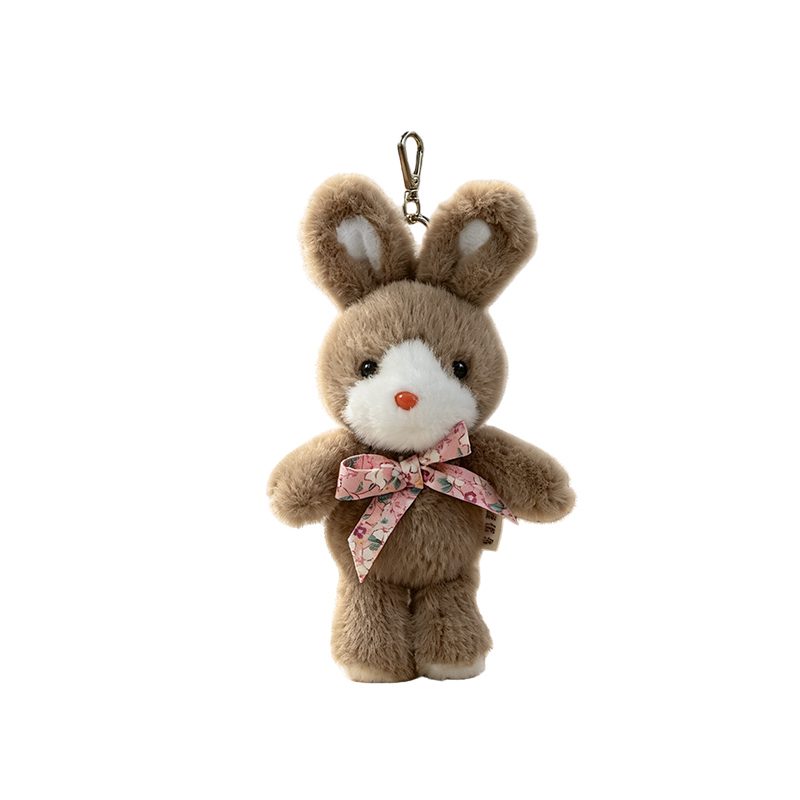
Choose a specific accessory image and identify the pattern and required placement. In the existing XiPlush bunny image, a pink floral neck bow is visible; the picture does not establish the terms of a new order. Ask each supplier to state whether the selected accessory is included, optional, excluded or unresolved. Keep an optional proposal distinct from the configuration you are actually comparing.
Define what accompanies one unit
State what counts as one supplied plush, then request the accessory quantity for that unit. Clarify whether the proposal covers an attached accessory, a separately supplied item or any requested spares. Do not derive these quantities from a photograph. Ask the maker to identify any assembly or packing arrangement that remains to be discussed, rather than assuming that it is part of the offer.
Check the sample match
Put the chosen accessory reference beside the sample ID you reviewed. If its bow is provisional, describe the difference and leave that decision open. A new pattern or accessory proposal should identify the earlier reference it would replace. Two photographs do not establish that parts are detachable or interchangeable, and a similar appearance is not permission to substitute without a buyer decision.
Ask a comparable question
Send each maker the same request: identify the accessory reference, supply status, quantity per plush and any sample difference. Confirm dimensions, materials, attachment, price, minimum quantities and timing for the actual project. This makes the included configuration easier to compare without inventing a universal standard. Discuss your design and chosen accessory reference through XiPlush’s custom plush page.