Most toy orders from China ship FOB by sea. FOB means the supplier delivers the goods onto the vessel at the named Chinese port and clears them for export; everything from that point — freight, insurance, destination charges, import duty — is yours. Toys are bulky and light, so the cost driver is almost always volume, not weight.
That last point catches new importers repeatedly. A container fills up long before it reaches its weight limit, which means packaging efficiency has a direct effect on your landed cost per unit.
The Incoterms that actually come up
| Term | Supplier’s responsibility ends | When it suits you |
|---|---|---|
| EXW (Ex Works) | At the factory door | You have a strong forwarder in China and want full control. Note that the supplier may not handle export clearance. |
| FOB | Goods loaded on the vessel, export cleared | The default for toy orders. Comparable between suppliers and leaves you in control of freight. |
| CIF | Freight and insurance to your destination port paid | Convenient, but you inherit the supplier’s forwarder and their destination charges, which can be high. |
| DDP | Delivered to your door, duty paid | Simplest for a first small order; most expensive and least transparent per unit. |
Two practical notes. Always name the port: “FOB” alone is incomplete, and the port matters because inland trucking from the factory is priced into the quote. And when comparing quotations, confirm every supplier quoted the same term — an EXW price will always look cheaper than an FOB one for the same goods.
Volume, not weight: how toy shipping is priced
Sea freight for less-than-container loads is charged on whichever is greater, the actual weight in tonnes or the volume in cubic metres. Toys almost always price on volume. Two things follow:
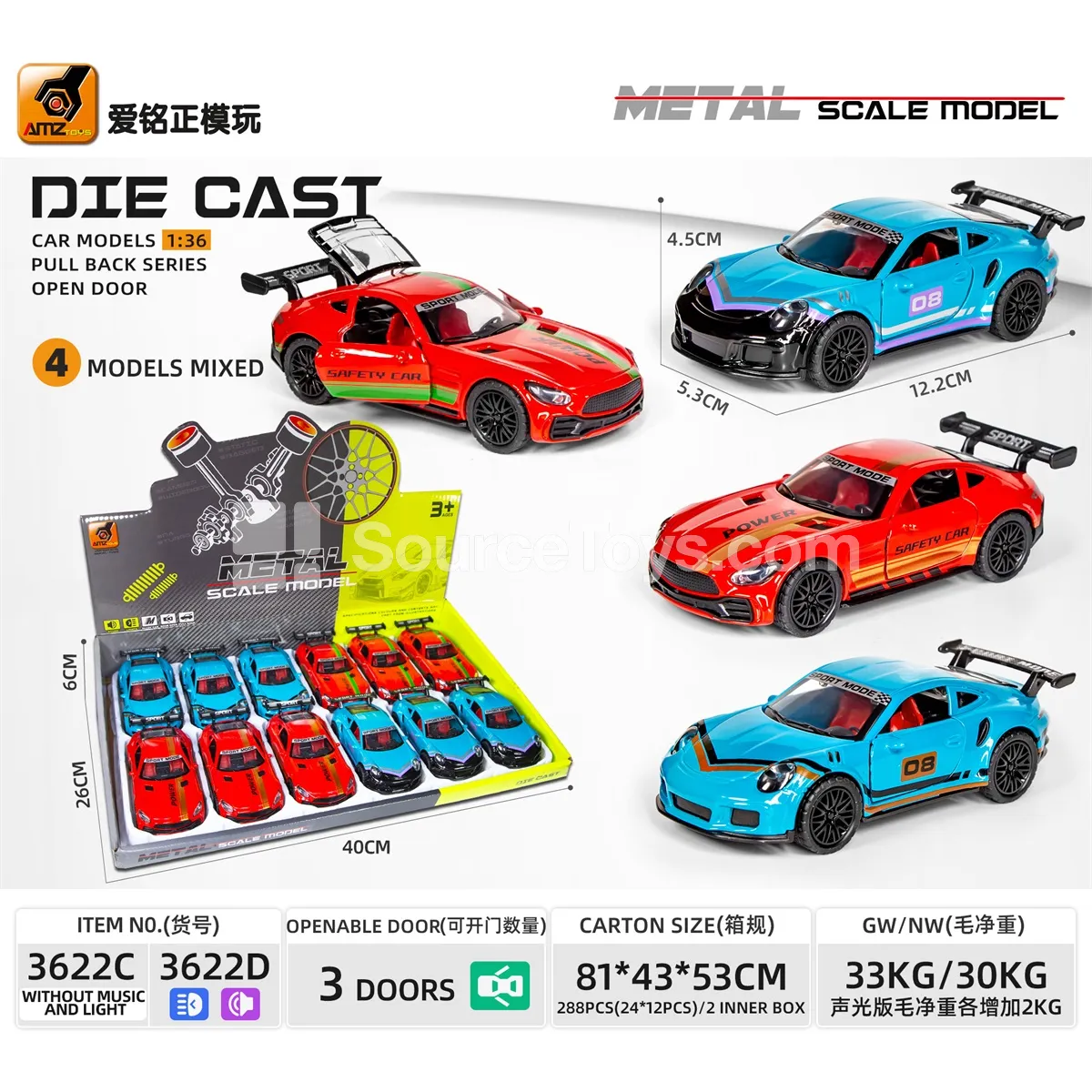
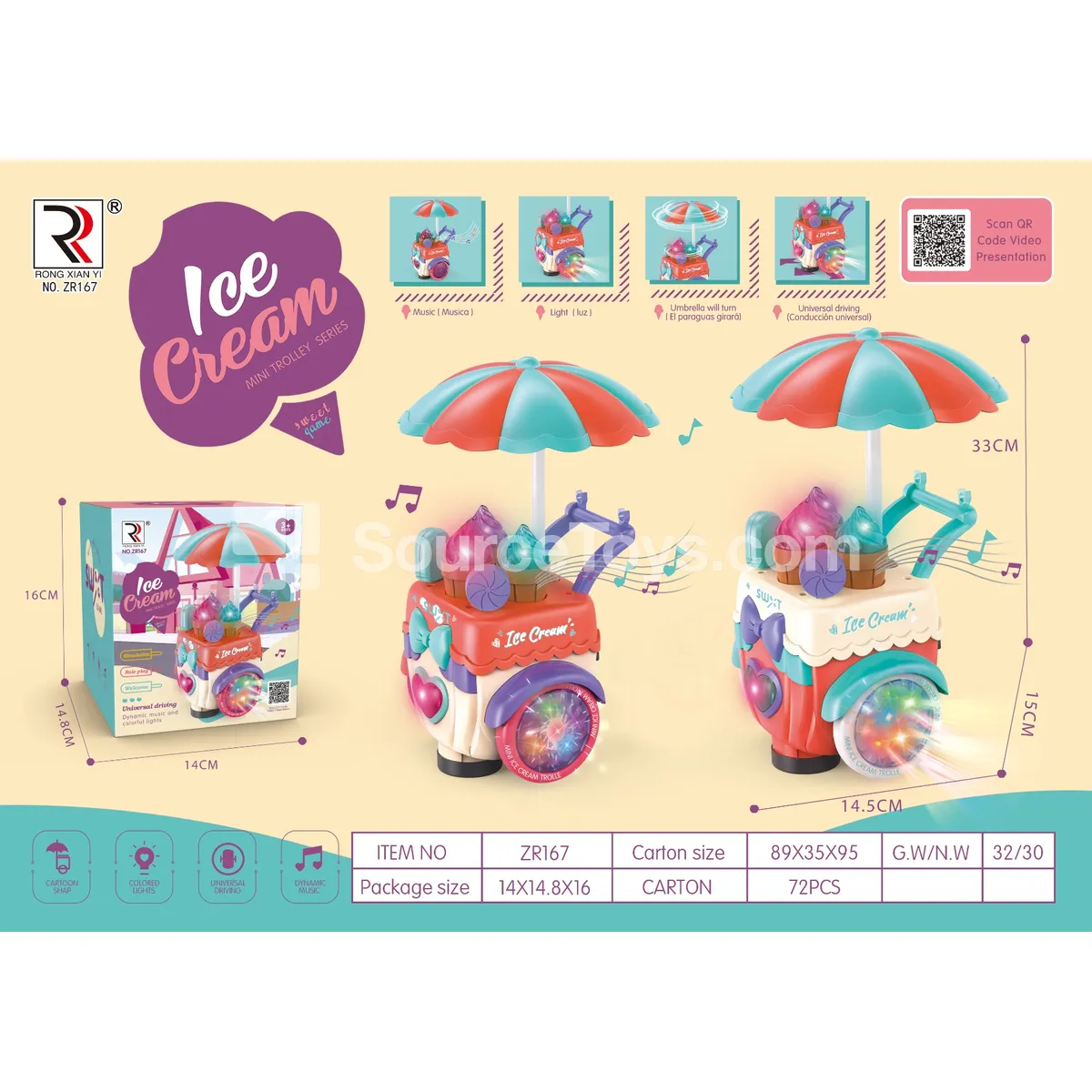
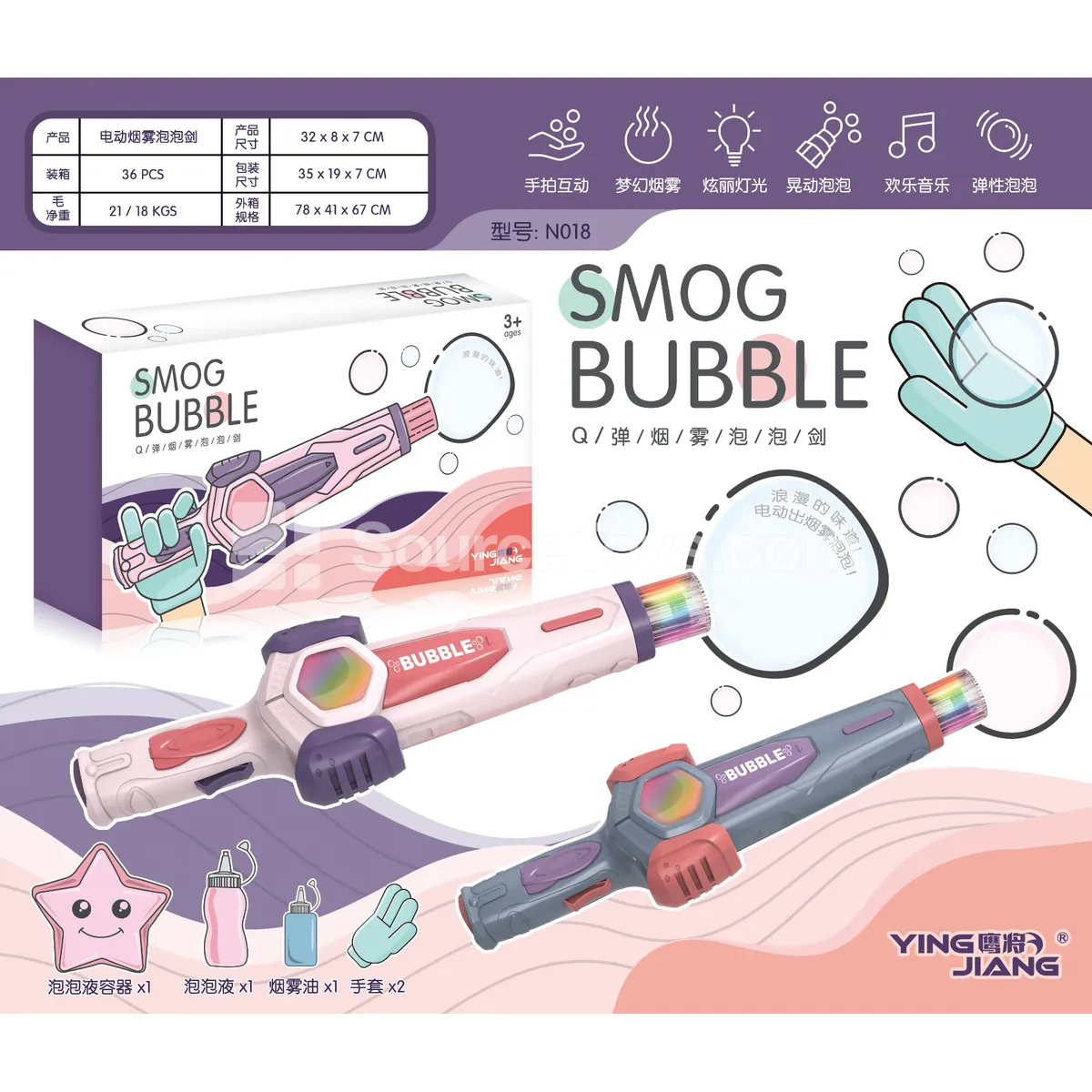
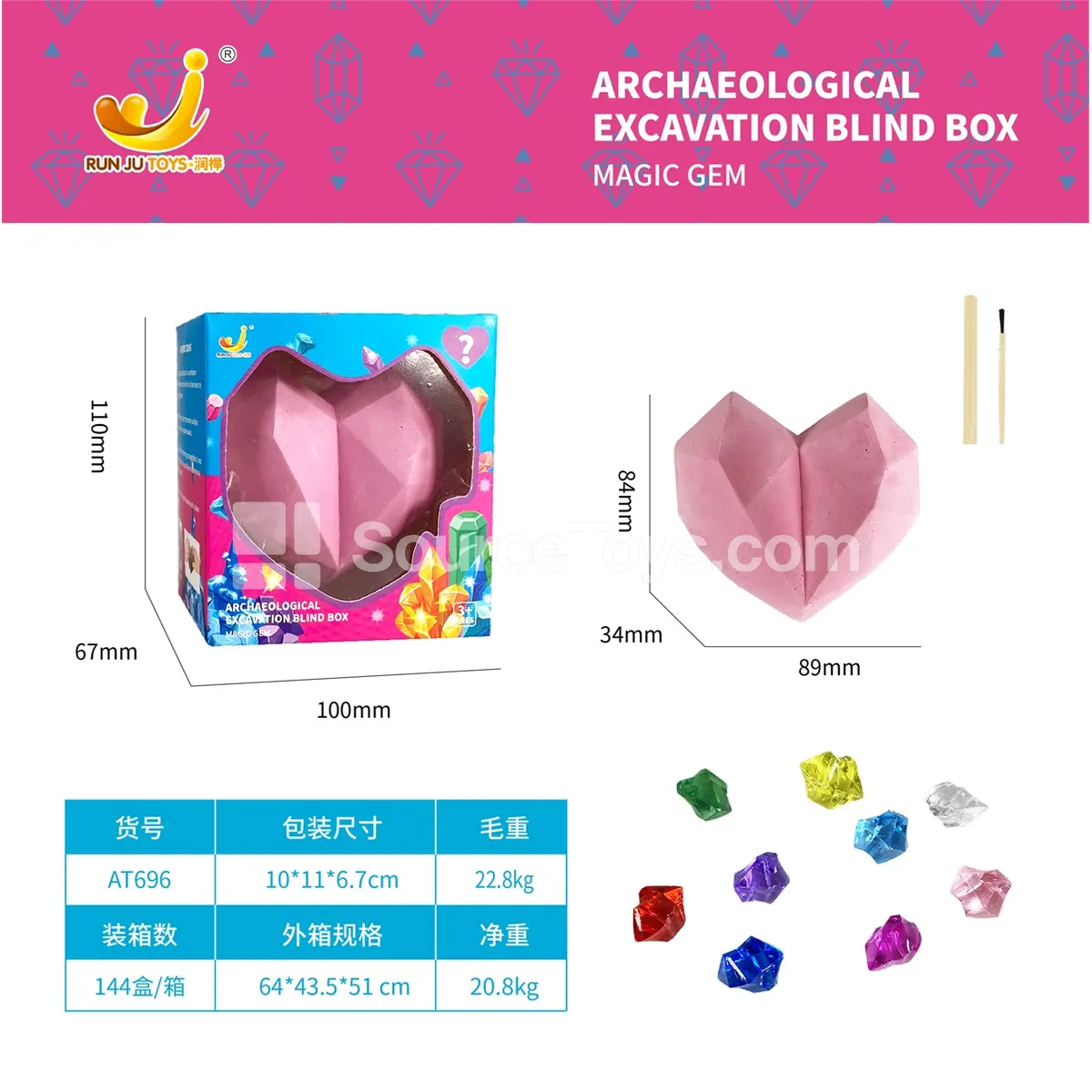
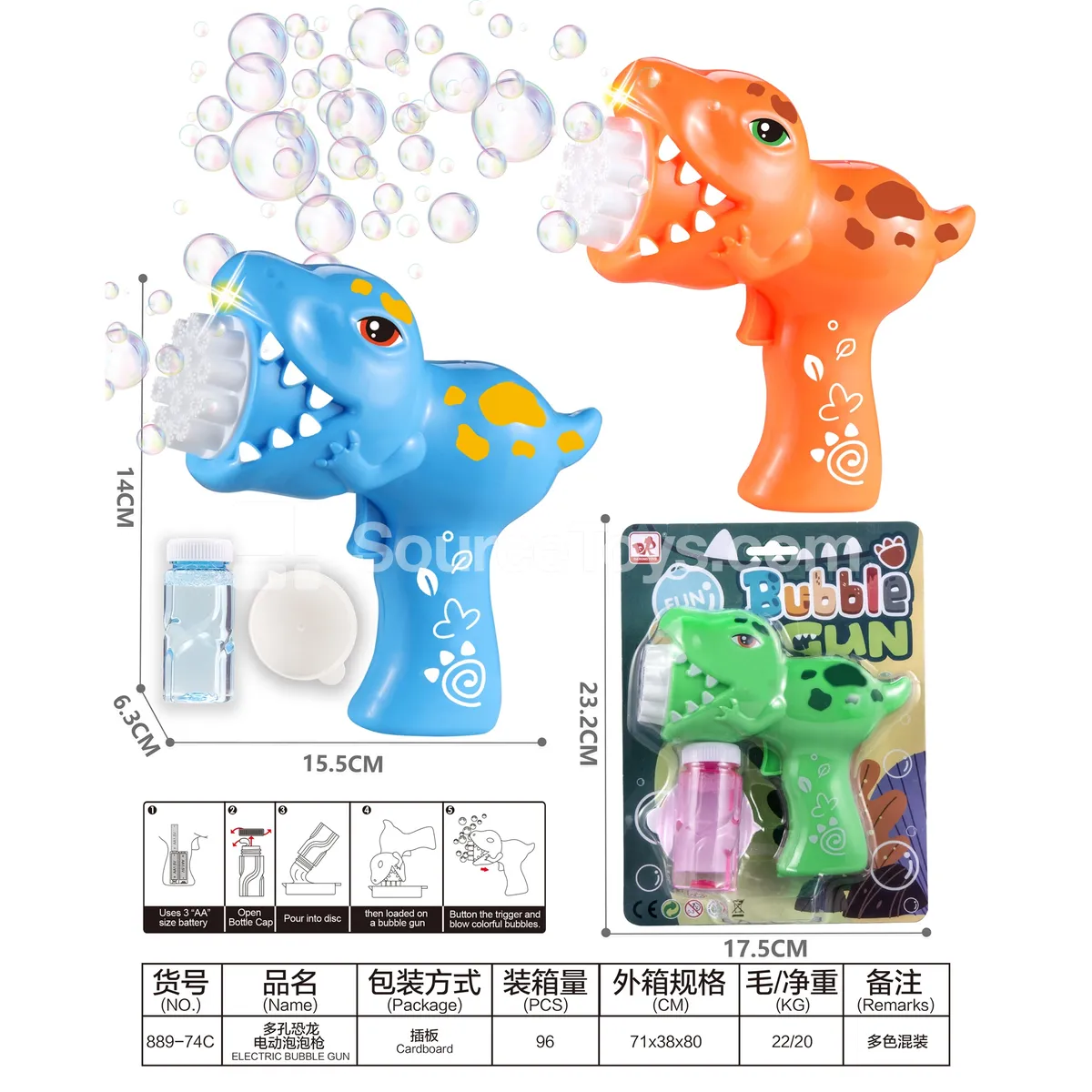
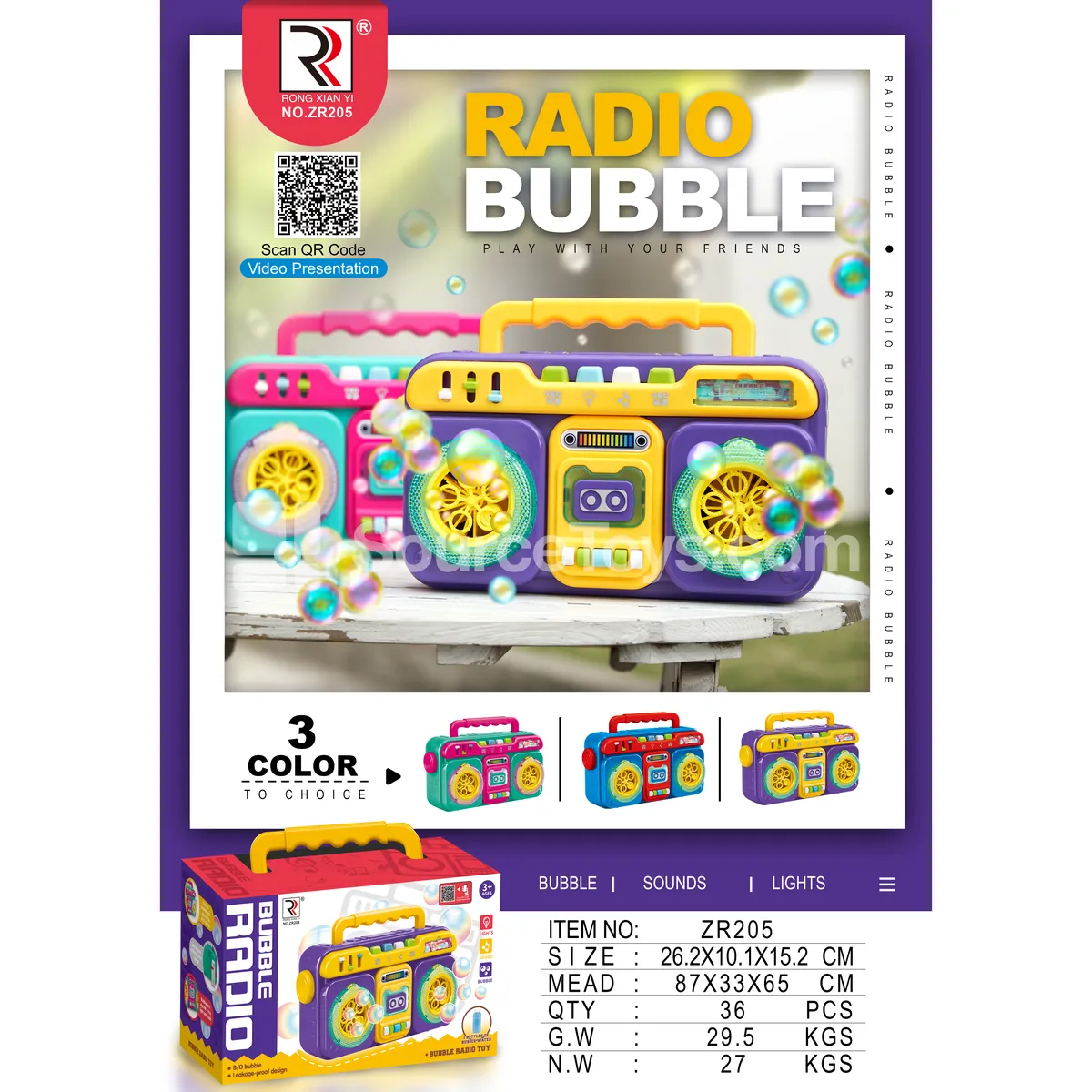
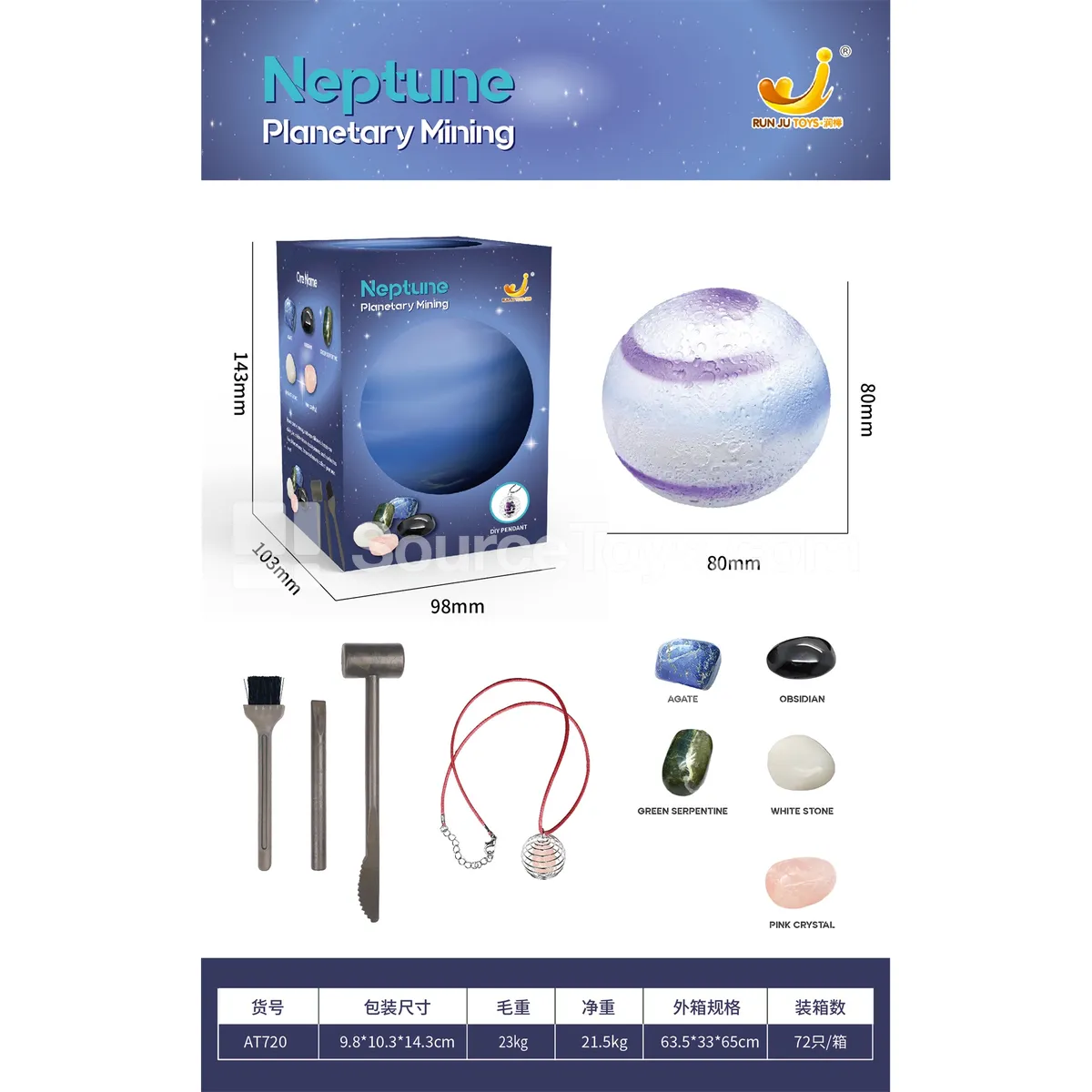
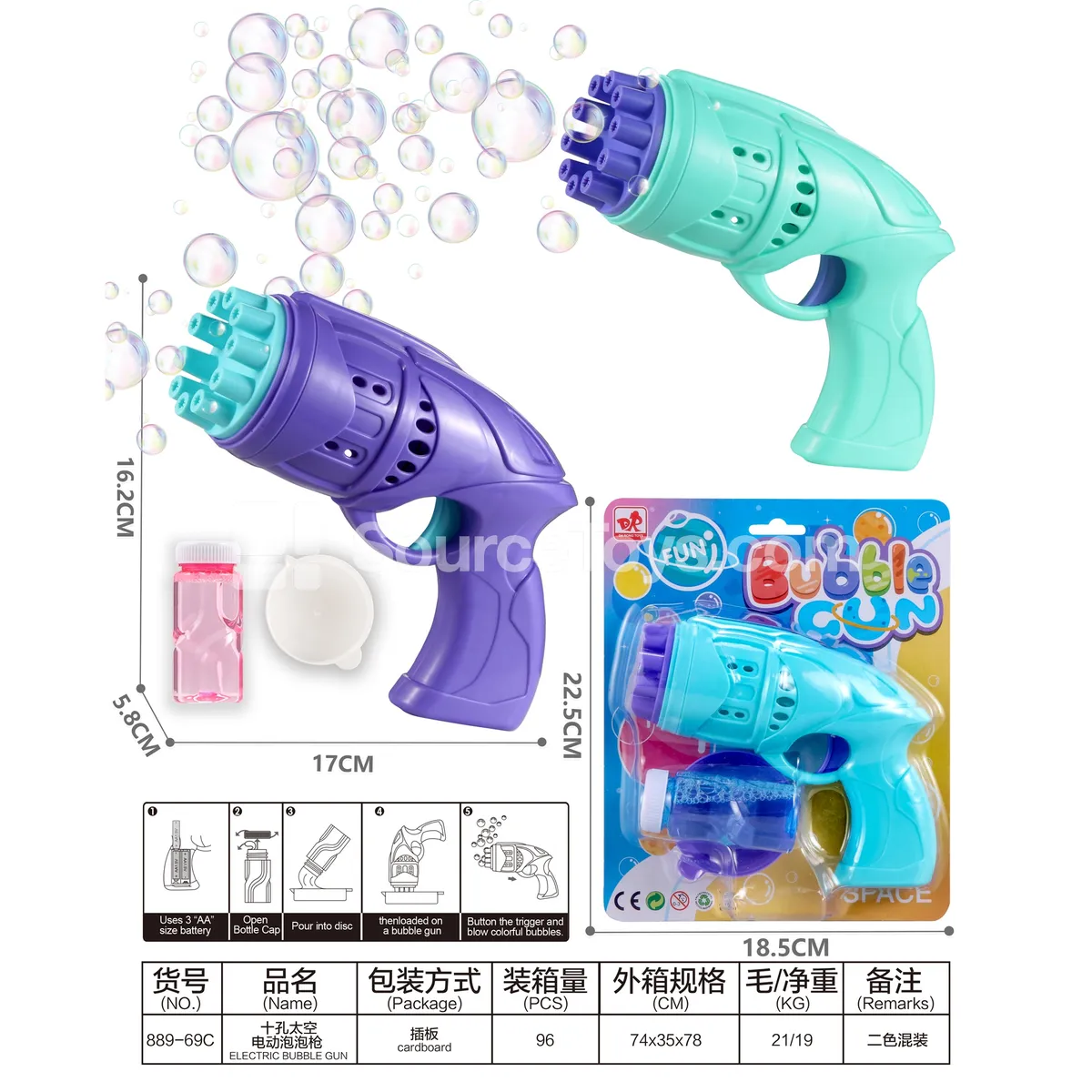
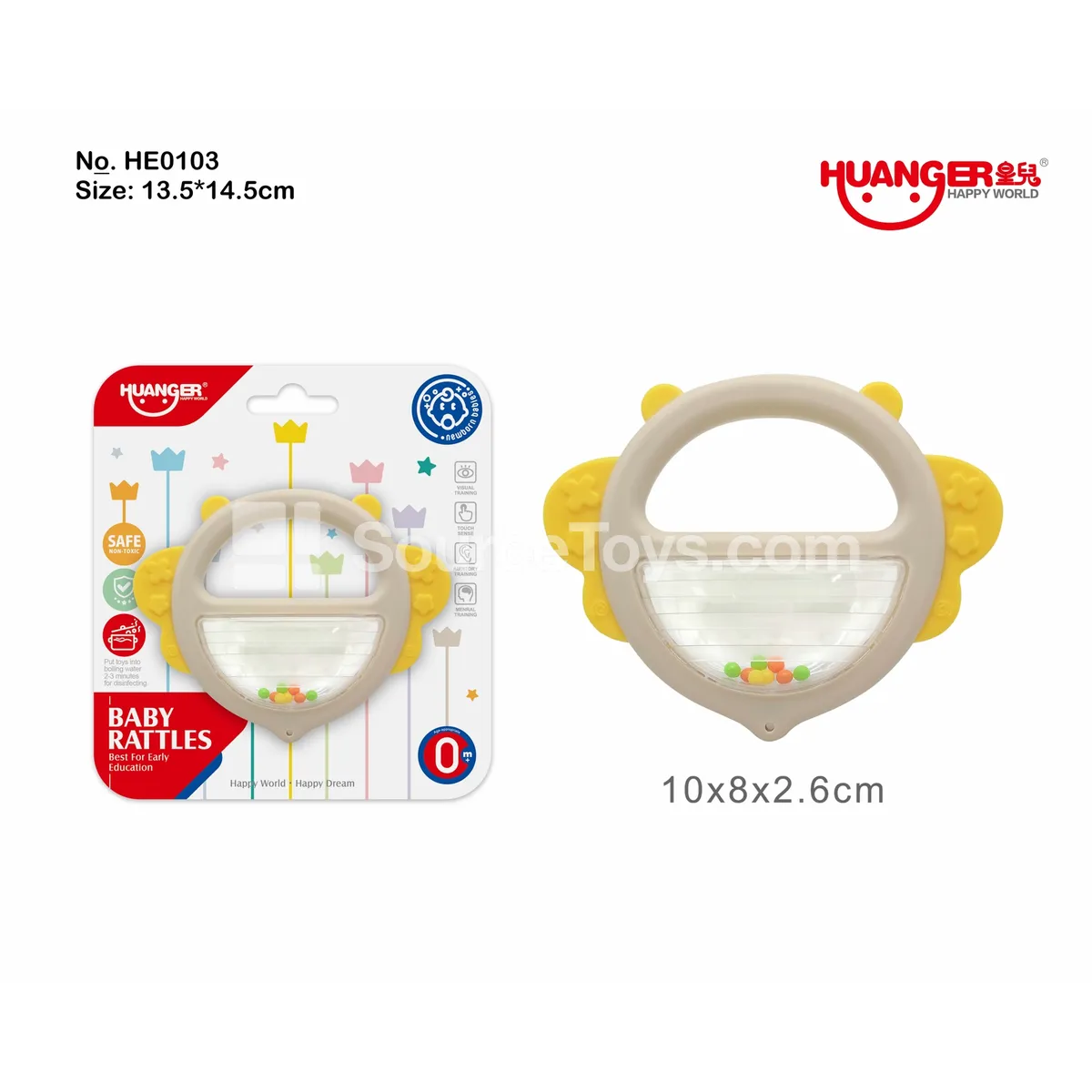
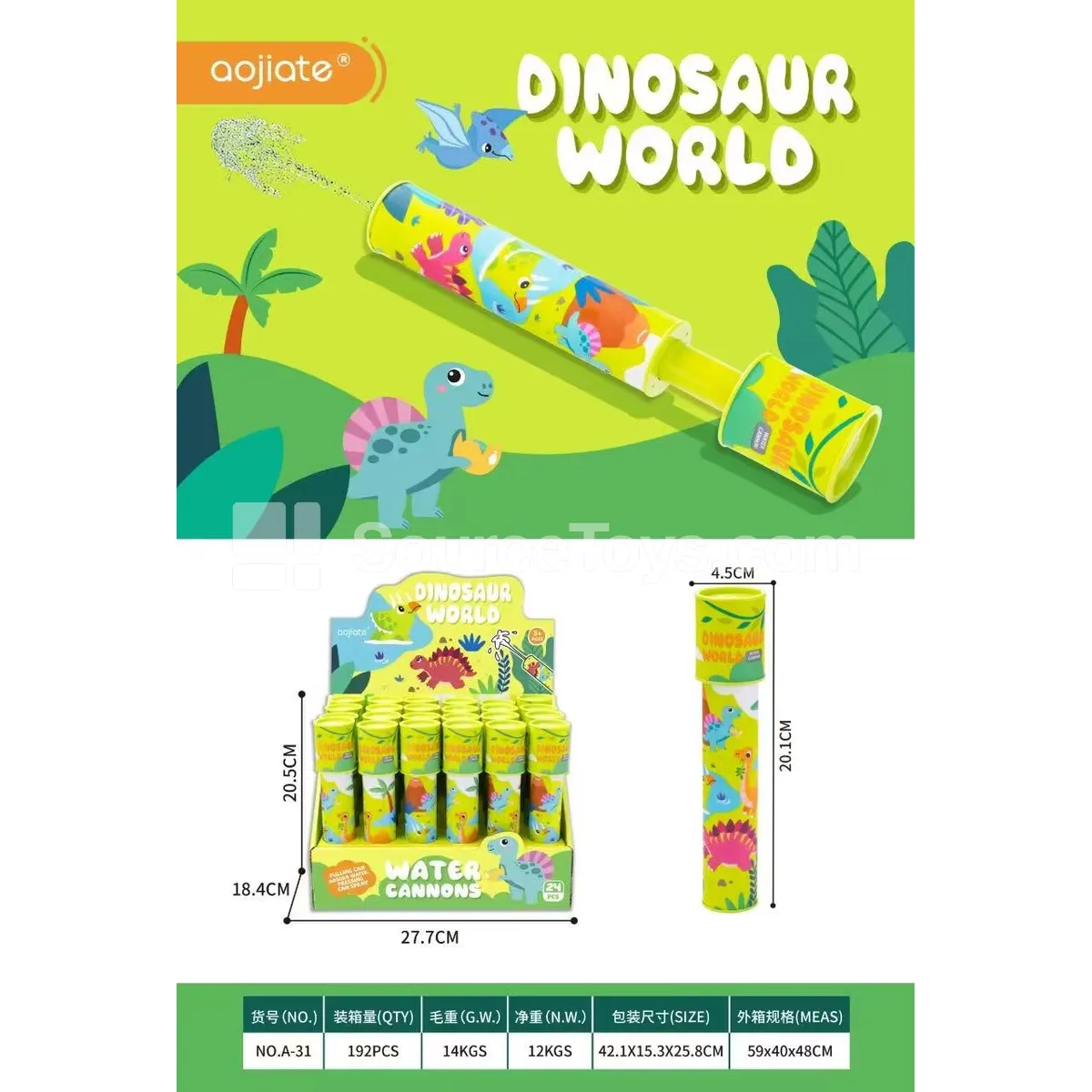
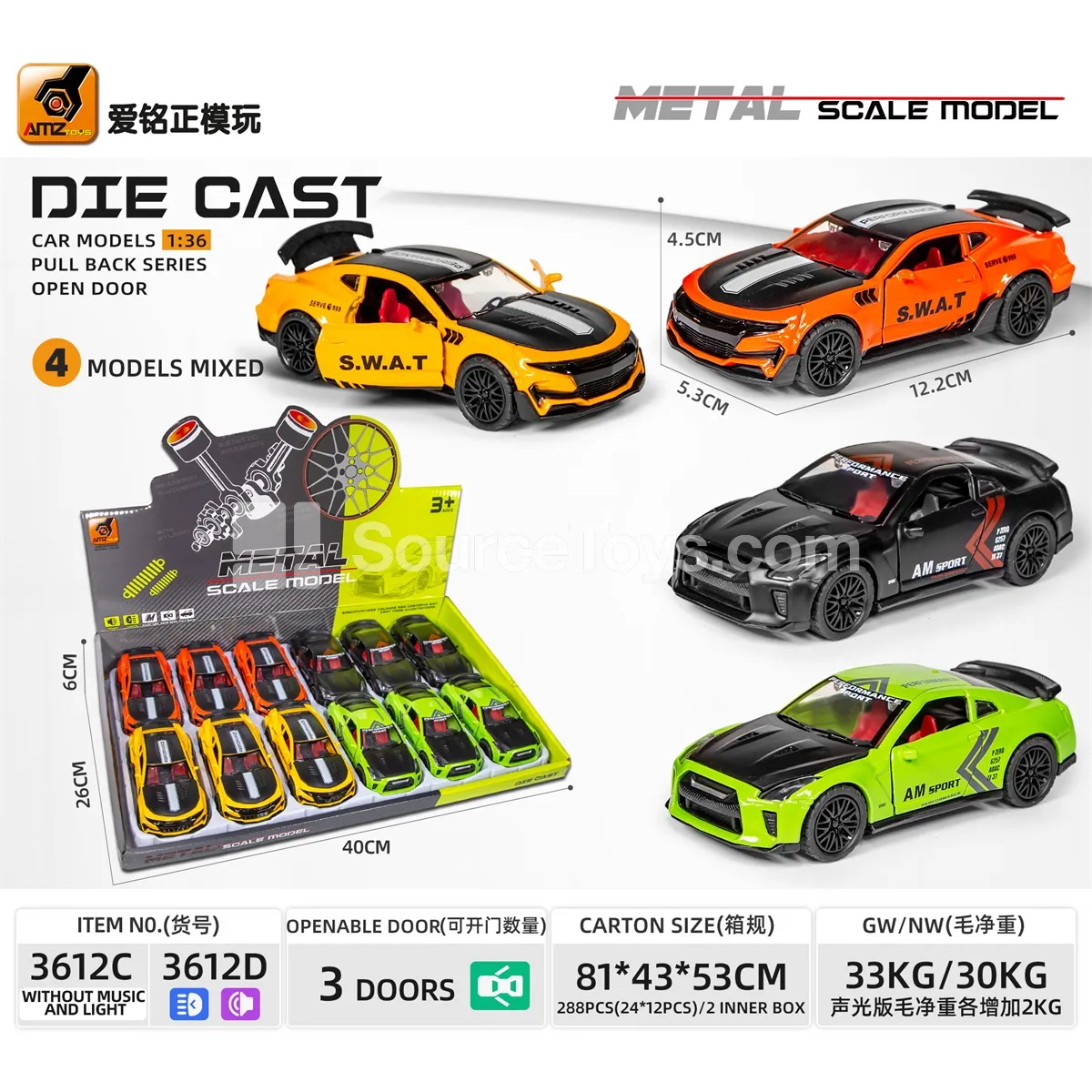
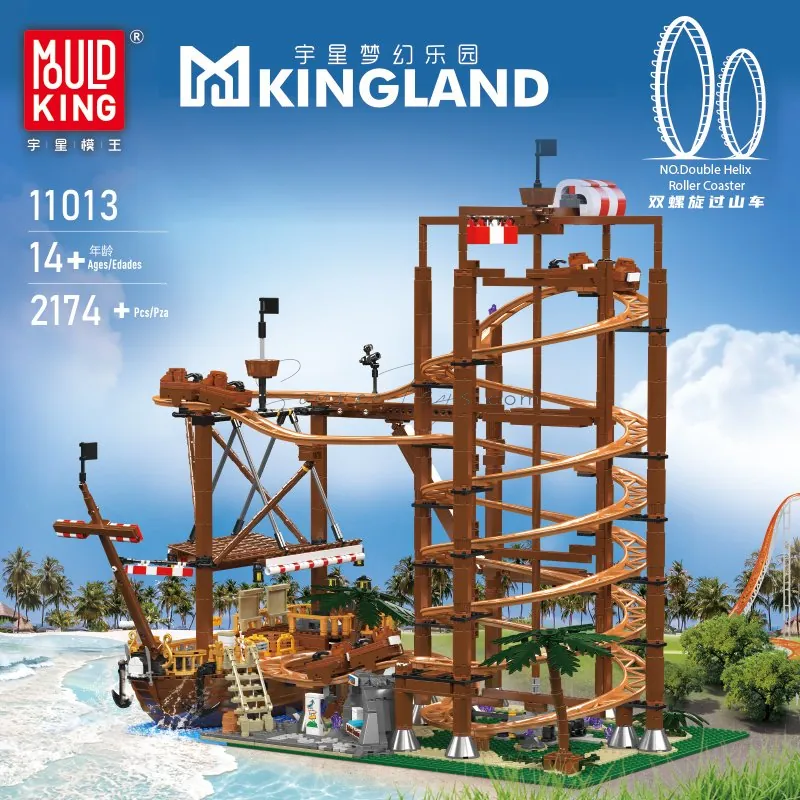
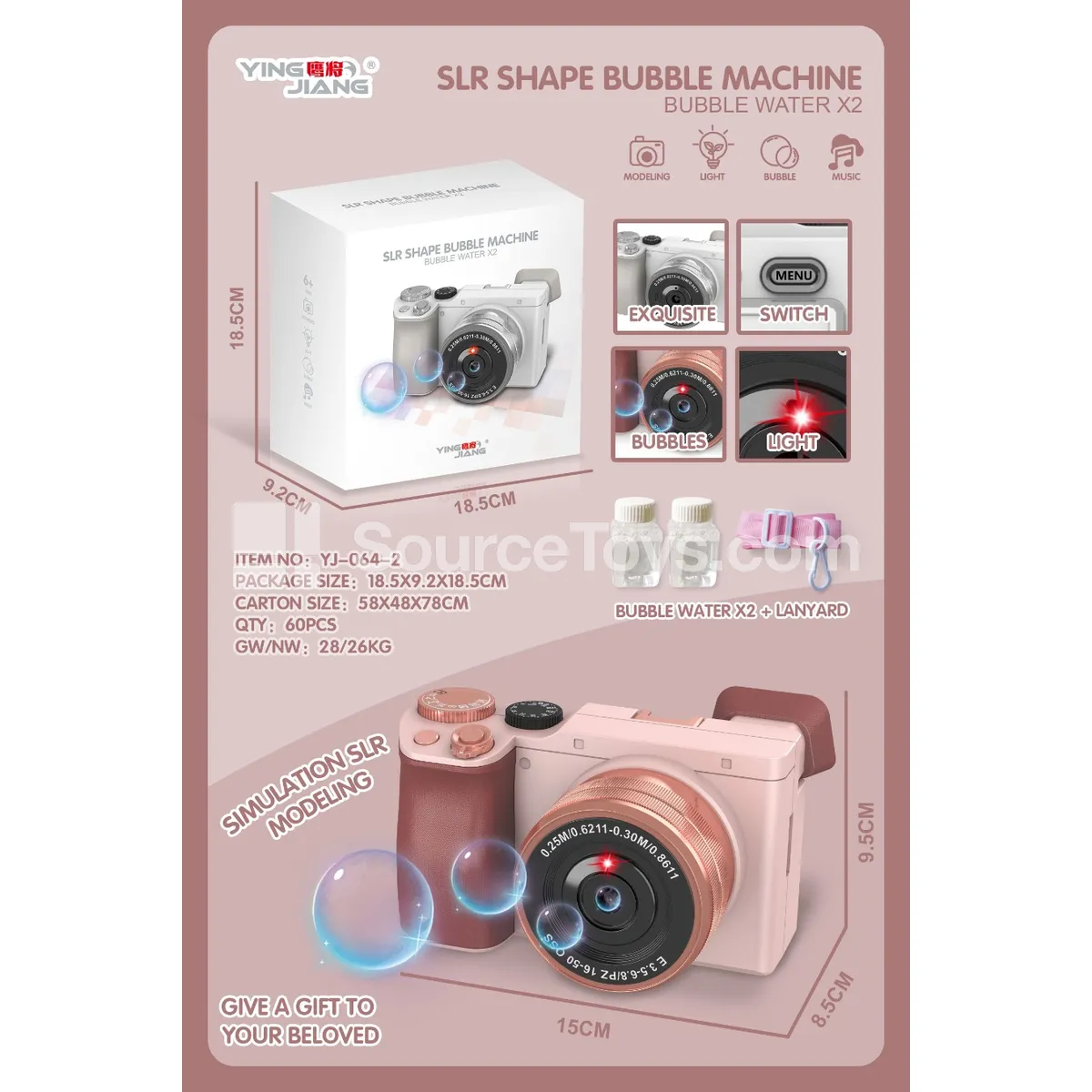
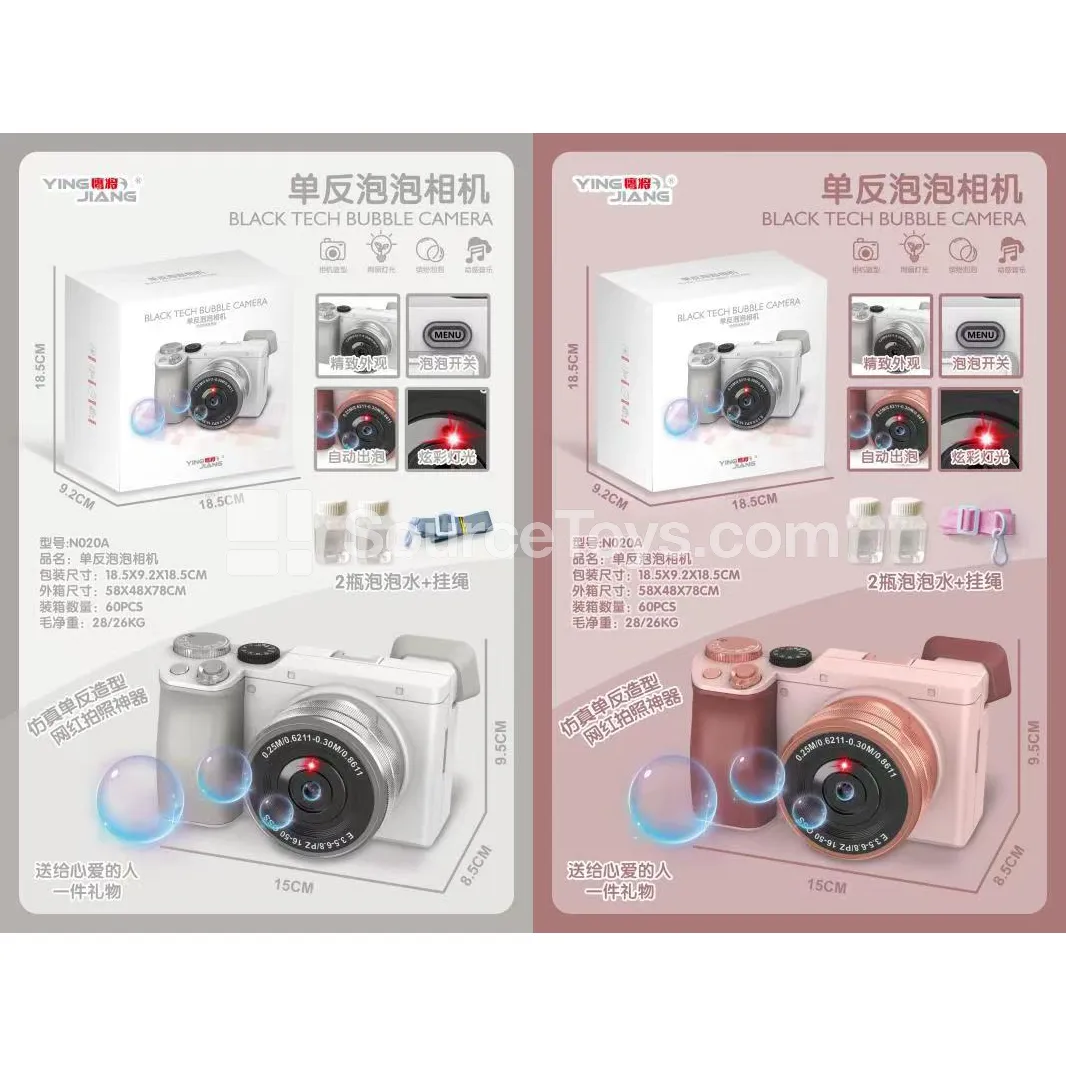
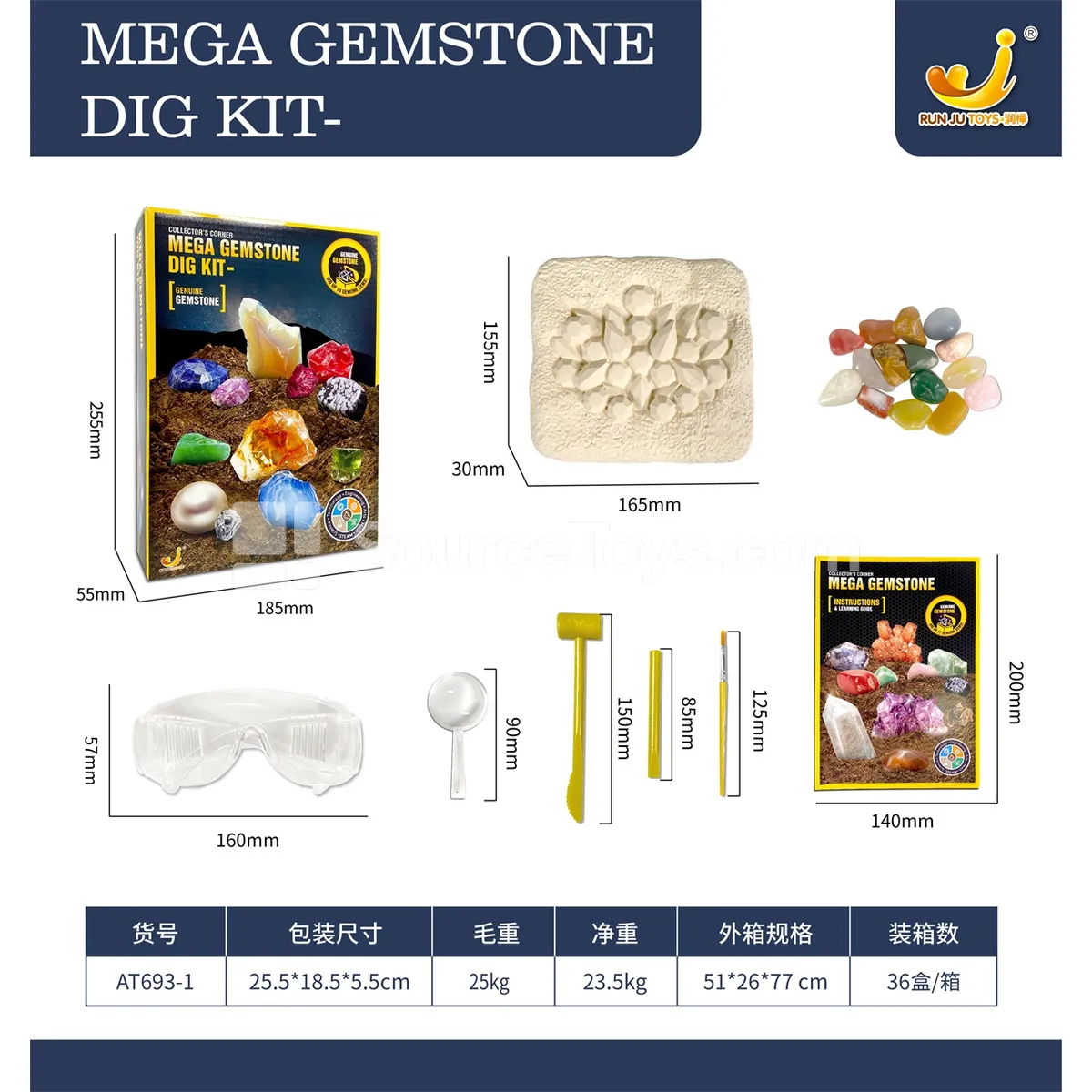
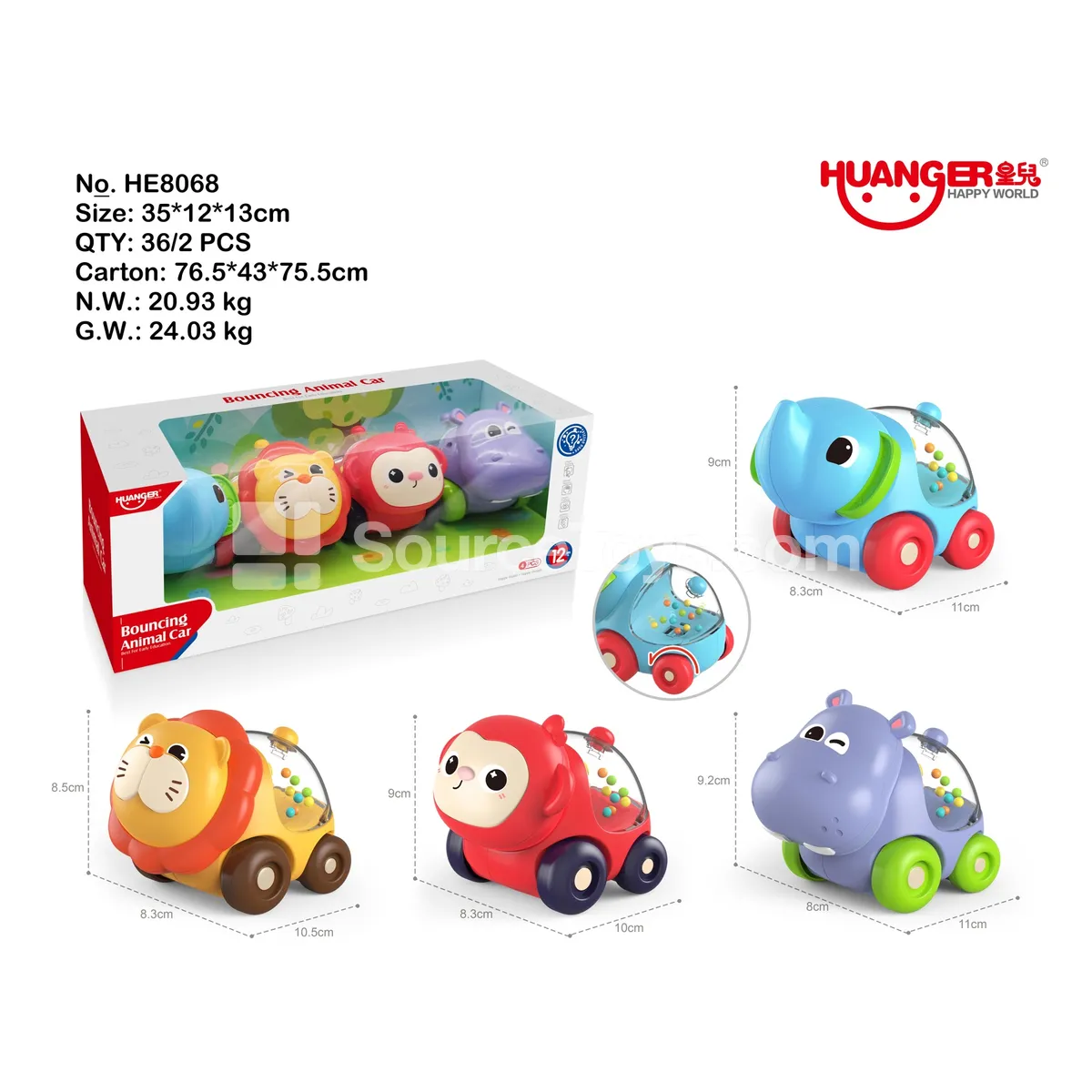
- Ask for carton dimensions and CBM at quotation stage. You cannot compare landed costs without them, and the numbers sometimes reveal that a marginally cheaper unit price ships worse.
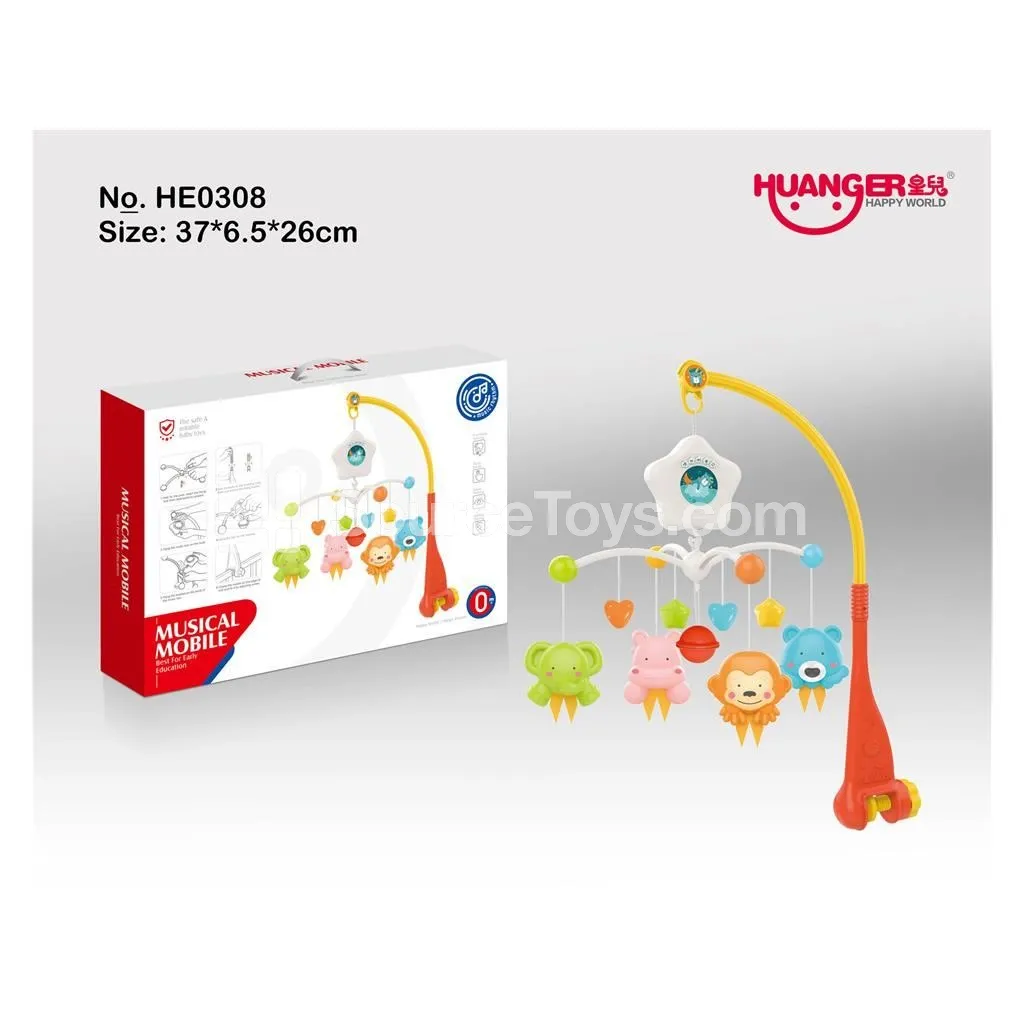
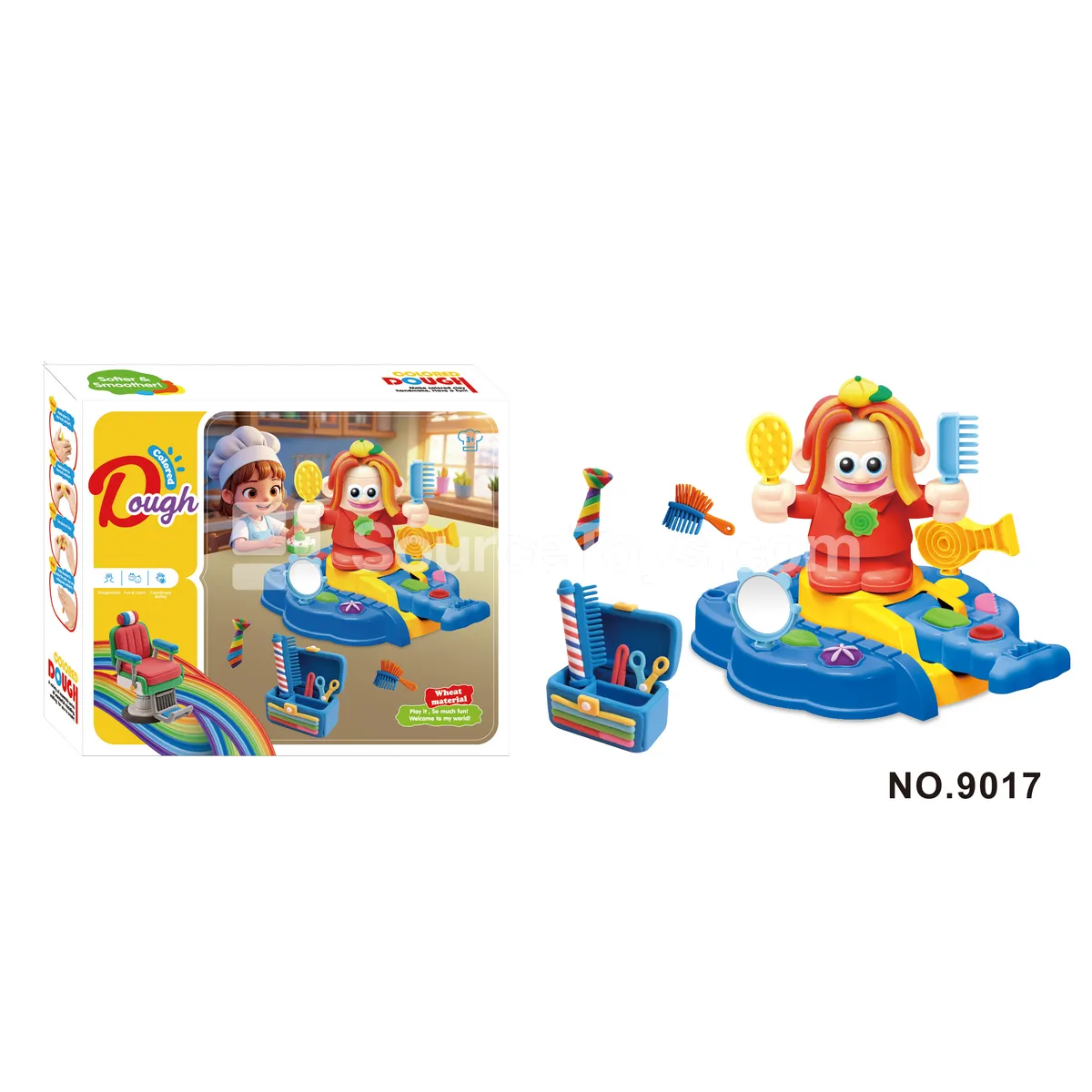
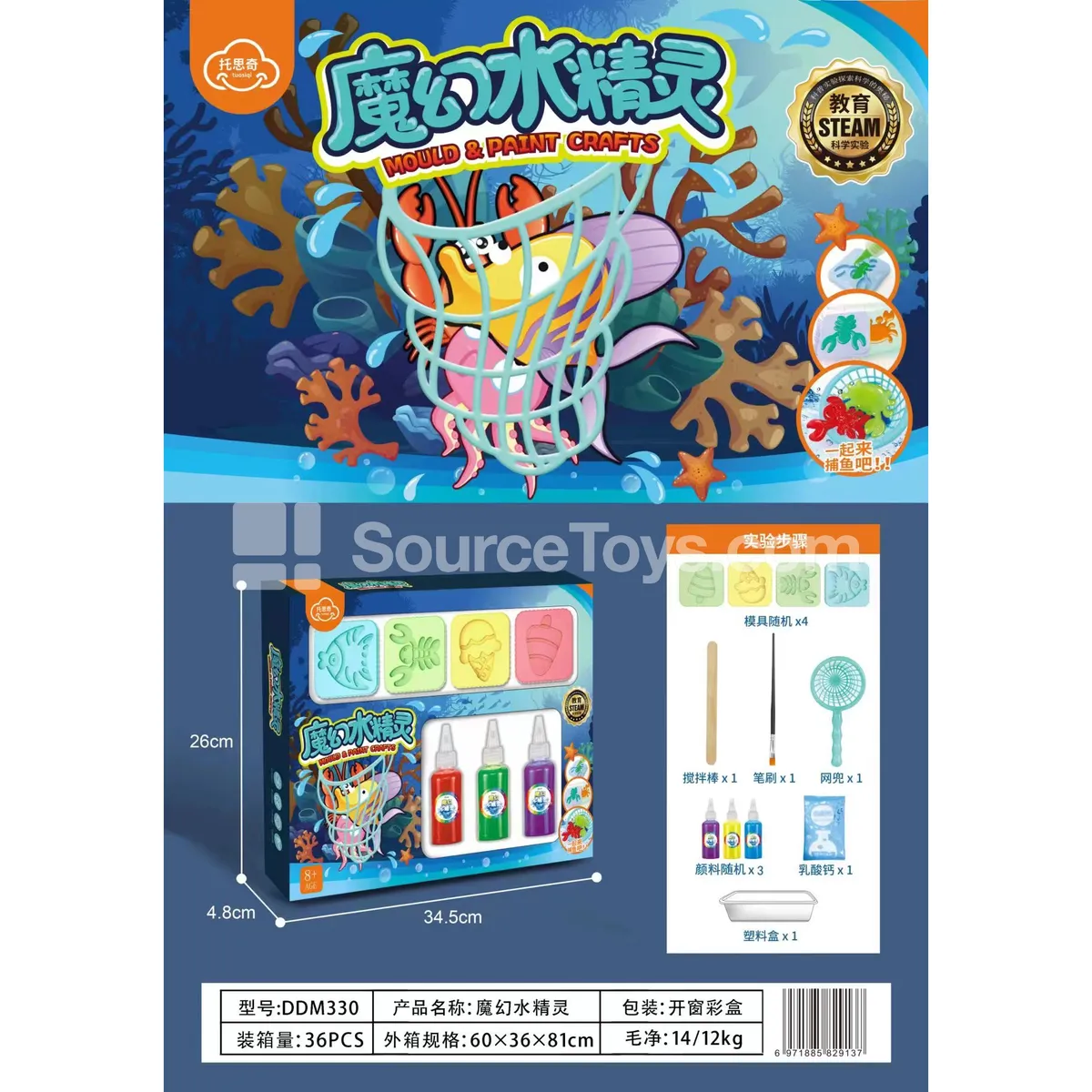
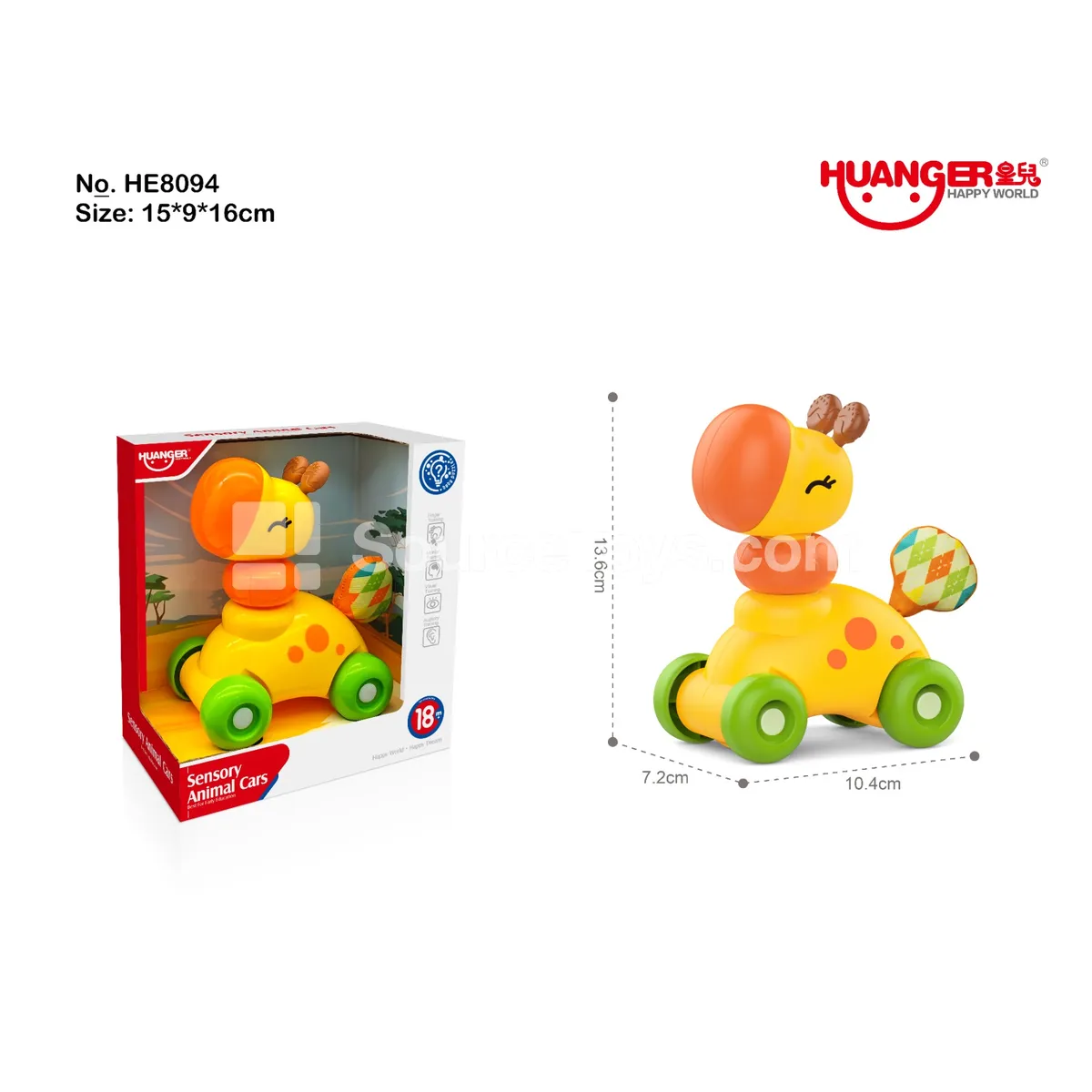
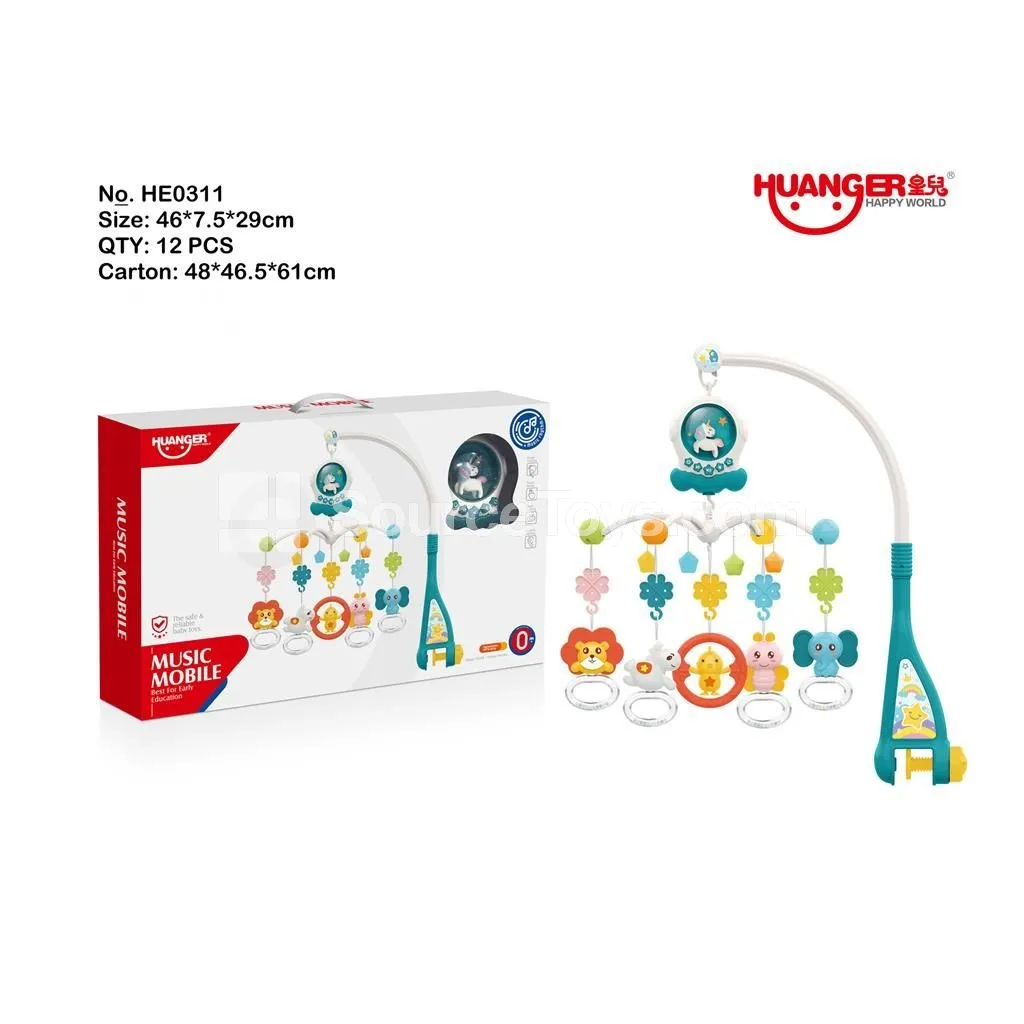
- Packaging design is a freight decision. A window box with wasted headroom, or a toy packed assembled rather than flat, can add materially to the cubic metres you pay for on every future order.
Rough capacity to plan with: a 20ft container holds roughly 28 CBM of packed cartons, a 40ft around 58 CBM, and a 40ft high cube around 68 CBM. Once your order approaches those volumes, a full container is usually cheaper per unit than consolidated freight.
Consolidating across several factories
Buying direct usually means buying from more than one factory, and toys is a category where mixed containers are normal. Someone has to bring those shipments together. The options:
- Appoint a freight forwarder in China. Each factory delivers to the forwarder’s warehouse; the forwarder consolidates, loads and handles export documents. This is the standard route for direct buyers.
- Nominate one supplier as consolidator. Workable when one factory dominates the order and the others are nearby. Agree who is liable for goods sitting in someone else’s warehouse.
- Ship separately as LCL. Simplest administratively, most expensive per unit, and you get several arrivals to clear instead of one.
Geography helps here. On this platform 29,888 of 31,812 live products come from suppliers in the Chenghai cluster, so a multi-factory toy order is often several suppliers within the same district feeding one consolidation point — much simpler than coordinating across provinces.
When air freight is and is not an option
Air makes sense for samples, for genuinely urgent replenishment, and for high-value low-volume items. It rarely makes sense for toys in volume, because you are paying for air on a product whose cost driver is cubic metres.
There is also a hard constraint specific to this category: products containing lithium batteries are dangerous goods by air. Whether cells ship installed in the equipment, packed alongside it, or separately changes the handling class and can rule out air freight altogether. If your product has a battery, confirm the classification and get the UN38.3 report and battery SDS before you plan an air shipment. This affects a large share of the Hobby & RC and Electronic Toys categories.
Documents that travel with the goods
- Commercial invoice and packing list — must agree with each other and with what is in the cartons.
- Bill of lading — the document that controls release of the goods. Under T/T 30/70, the balance is normally paid against a copy of this.
- Certificate of origin where your market requires it or where a trade agreement affects duty.
- Test reports and declarations for the destination market — these belong to the compliance file rather than the shipping file, but customs may ask.
- Dangerous goods documentation for battery-containing products.
The most common documentary problem is a mismatch: a packing list showing quantities that differ from the invoice, or an HS code that does not match the goods. Both are avoidable by checking drafts before the documents are issued.
Frequently asked questions
Should I use the supplier’s forwarder or my own?
Your own, where you have the volume to justify a relationship. A forwarder you appoint answers to you, quotes destination charges transparently, and can consolidate across suppliers. The supplier’s forwarder is convenient for a first order but the destination-charge structure is outside your control.
How long does sea freight from China take?
Transit varies by destination and routing, and port congestion moves the number around. Plan the whole timeline rather than the sailing alone: production of 25–35 days, plus inspection, plus booking and cut-off, plus transit, plus customs clearance at arrival. The sailing is often not the longest segment.
Who pays for the container if it is not full?
You do — a full-container rate is for the container, not for how much you put in it. Below roughly half a container, consolidated LCL freight is usually cheaper. Your forwarder can price both against your actual CBM.
Can the supplier ship under my own account number?
Yes, and it is common. You give the supplier your forwarder’s details, the supplier delivers the cartons and provides export documents, and freight is billed to you directly. This is the practical shape of most FOB toy orders.
Does the factory handle export clearance?
Under FOB it should, but confirm the factory holds its own export licence. Smaller workshops sometimes export through an agent, which puts a third party onto your documentation — worth knowing before the paperwork appears rather than after.
Related buyer guides
- MOQ, pricing and payment terms — what sets the minimum and how to read a quotation.
- Toy quality control and inspection — the check that sits before your balance payment.
- Sourcing RC and battery-powered toys — radio, battery and air-freight rules.
- How to source toys from China: a practical guide — the full order timeline.
- Factory vs Trading Company — consolidation is one of the services you pay a trader for.
- Shantou toy showroom guide — the district most of this freight leaves from.